
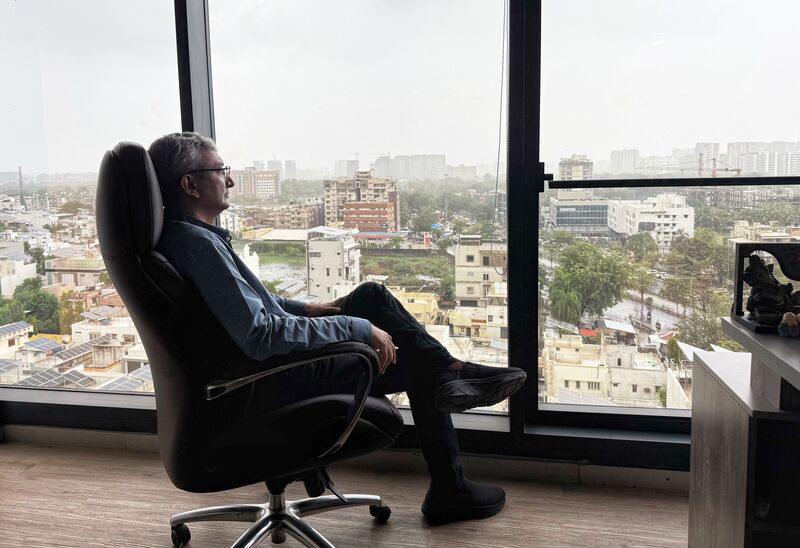
Not every idea deserves another chance. Some deserve a respectful funeral.
Because there comes a point where putting in more money, more effort and more years isn’t resilience anymore. It’s denial disguised as determination.
Every venture starts with hope.
You identify a problem.
Build a solution.
Raise capital.
Convince customers.
The future feels inevitable.
Then reality starts negotiating.
Markets change.
Customer behaviour surprises you. L
New technologies emerge.
Competitors move faster.
Regulations evolve.
And one day you quietly tell yourself,
“Oops… maybe we got this wrong.”
So you do exactly what a good founder should.
You pivot.
You redesign the product.
You revisit the GTM strategy.
You work harder.
That’s leadership.
But what if months later nothing really changes?
Revenue refuses to grow.
Customers remain indifferent.
Every milestone keeps moving further away.
Now comes the uncomfortable question.
Do you keep pouring more capital, talent and time into it?
Or do you accept that the venture has stopped creating value?
Many founders say, “You have to be passionate about your idea.”
Absolutely.
But there’s a difference between being passionate and being emotional.
Passion helps you improve an idea.
Emotion convinces you the idea cannot be wrong.
That’s when a business quietly turns into an ego project.
The smartest venture capitalists don’t become successful because every investment succeeds.
They become successful because they know when to stop funding the ones that won’t.
Capital is finite.
So are time, energy and attention.
The courage to shut something down isn’t failure.
It’s intelligent capital allocation.
The same lesson applies outside business.
Relationships also begin with hope.
You believe things will work out.
But people evolve. Priorities change.
Despite endless conversations, compromises and second chances, sometimes the relationship simply keeps moving in circles.
Yet we keep dragging it.
For the same reason founders drag failing businesses.
We’ve already invested too much.
But sunk costs don’t create a future.
Sometimes letting go isn’t abandoning someone.
It’s acknowledging that two good people may no longer belong in the same chapter.
By ending a relationship with dignity, you aren’t just freeing yourself to meet someone who aligns with the person you’ve become.
You’re also giving the other person the same opportunity.
If not for yourself, do it for them.
Because the bravest investment decision is sometimes choosing not to invest any further.
So ask yourself:
– Am I creating future value, or merely protecting my past decisions?
– If this opportunity – or this relationship – came into my life for the first time today, would I still choose it?
– And am I holding on because there’s genuine potential ahead… or simply because I don’t have the courage to let go?