
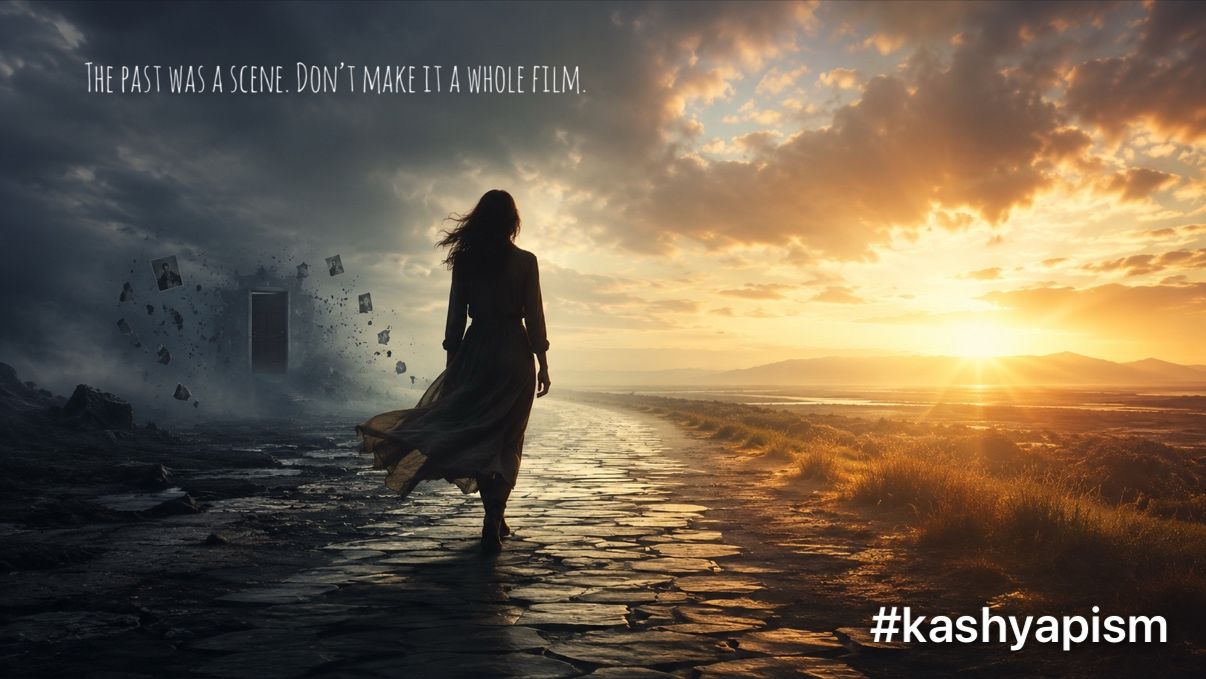
“You’ve got to put the past behind you before you can move on.” Forrest Gump says it while running. Perhaps because sitting with the past had not helped much.
Cinema usually loves the past.
Flashbacks, reunions, unfinished love stories and background violins have kept the industry profitable for decades.
But some films offer a quieter message:
the past may explain you, but it need not continue directing you.
In The Lion King, Simba runs away from everything that reminds him of who he was. Years later, Rafiki tells him:
“The past can hurt. But you can either run from it or learn from it.”
Simba returns, not to recreate his childhood, but to claim the life he had been avoiding.
Milkha Singh runs too.
In Bhaag Milkha Bhaag, “Bhaag Milkha, bhaag” begins as a desperate instruction to escape. He grows up, wins races and earns applause, yet remains chained to the memory he outran.
Only when he returns to Pakistan and confronts his past does running stop being an escape and become his purpose.
Sometimes the destination becomes clear only after we stop allowing an old story to choose our route.
In Ratatouille, Gusteau tells Remy:
“If you focus on what you left behind, you will never see what lies ahead.”
In Udaan, Rohan stops trying to earn affection from a father who offers control instead of love. He does not wait for the relationship to magically change. He takes his younger brother’s hand and runs towards an uncertain life.
No guarantee. No elaborate five-year plan. Just the realisation that an unknown future may still be healthier than a familiar past.
Not every new beginning arrives with confidence. Sometimes it begins with one breath and no clue about the next scene.
In The Shawshank Redemption, Andy offers a more direct choice:
“Get busy living, or get busy dying.”
Not keep explaining.
Not keep revisiting.
Not keep waiting for yesterday to apologise.
Keep moving forward.
So, when the past returns with its familiar dialogues, old background score and promises of a better climax, remember:
you have already seen that film.
Appreciate the story.
Keep the lessons.
Forgive the characters.
But don’t keep buying tickets for the same ending.
The past deserves a place in your flashbacks, not control over your screenplay.
The interval is over.
Walk out of the old story, step into your next scene and let life announce:
“Picture abhi baaki hai, mere dost.”